
For many Clyde North families, the spring school holidays are a welcome chance to slow down. They can also bring more emotional outbursts, sibling conflict, boredom and disrupted sleep.
Victorian Term 3 ends on Friday 18 September 2026, followed by the spring school holidays from 19 September to 4 October. With Clyde North continuing to grow, many young families are balancing school routines, work, sport, childcare and busy community lives.
A change in routine does not mean you are doing anything wrong. Children often show stress through their behaviour before they can explain what they need. Simple preparation can help protect your child’s wellbeing and make the holiday period more manageable.
This guide offers practical ideas for families considering child therapy or looking for trusted mental health services Clyde North families can access.
CREATE A GENTLE HOLIDAY RHYTHM
Children usually cope better when the day feels predictable. You do not need a strict timetable. A simple rhythm is often enough.
Try to keep:
- Wake-up and bedtime close to usual times.
- Regular meals and snacks.
- One or two planned activities each day.
- Daily movement or outdoor time.
- Quiet time after busy outings.
- Some familiar household rules.
A visual plan can help. Use words, drawings or simple pictures to show what is happening. Include meals, screen time, outings, rest and bedtime.
Give your child some control by letting them choose between two options. For example:
- “Would you like to go to the park or do craft this morning?”
- “Would you like quiet reading time or building blocks after lunch?”
Choices can reduce arguments without removing the structure your child needs.
The Victorian Department of Education also recommends maintaining routines and supporting children’s mental health during school holidays. You can read its school holiday mental health and wellbeing resource for parents.
PLAN LESS, LEAVE MORE SPACE
It is tempting to fill every day with activities. However, children often need recovery time between outings.
Aim for one main activity rather than a full schedule. This could include:
- Visiting a local park.
- Going for a short walk or bike ride.
- Baking or cooking together.
- Playing a board game.
- Visiting the library.
- Drawing, building or doing a simple craft.
- Spending time with a trusted family member.
Busy places, long car trips and social events can be tiring. Plan a quiet period afterwards. Your child may need time alone, a snack, movement or a familiar activity before they are ready for something else.
A holiday does not need to be exciting every day. Ordinary moments can support connection and emotional wellbeing.
PREPARE FOR TRANSITIONS
Moving from one activity to another can be difficult, especially when your child is tired, absorbed in play or unsure about what comes next.
Support transitions by:
- Giving a five- or ten-minute warning.
- Using a timer.
- Explaining what will happen next.
- Keeping instructions short.
- Packing familiar snacks or comfort items.
- Allowing extra time when leaving the house.
- Praising cooperation, even when it is small.
Try to avoid giving several instructions at once. Say one step clearly, then allow your child time to respond.
For example, instead of saying, “Get dressed, pack your bag, brush your teeth and get in the car,” try:
- “Please put on your shoes.”
- “Now let’s pack your water bottle.”
- “We are leaving in five minutes.”
A SHORT ILLUSTRATIVE EXAMPLE
Imagine a seven-year-old who becomes tearful and angry every afternoon during the holidays. The family initially sees this as defiance. After observing the pattern, they notice the child is hungry, tired and overwhelmed after busy mornings.
They introduce a regular lunch, quiet time and a simple afternoon choice. The difficult behaviour does not disappear immediately, but the child begins to recover more easily.
This is only an illustrative scenario. Every child is different. Looking for patterns can help you understand what may be underneath the behaviour.
WHEN CHILD ADHD OR CHILD AUTISM MAY BE PART OF THE PICTURE
Behaviour challenges can sometimes be connected to underlying needs. These may include anxiety, sensory sensitivities, communication differences, sleep difficulties, child ADHD or child autism.
This does not mean every challenging behaviour indicates ADHD or autism. Behaviour can also be affected by tiredness, changes at home, learning difficulties, stress or ordinary developmental stages.
Some children with ADHD may need additional support with:
- Waiting and taking turns.
- Moving between activities.
- Managing impulses.
- Staying focused during long or quiet tasks.
- Remembering instructions.
- Regulating energy levels.
Children with autism may benefit from extra support with:
- Unexpected changes.
- Crowded or noisy environments.
- Sensory experiences such as lights, textures or sounds.
- Social demands.
- Understanding unfamiliar plans.
- Recovering after busy activities.
The aim is not to label or blame your child. It is to understand their experience and make reasonable adjustments.
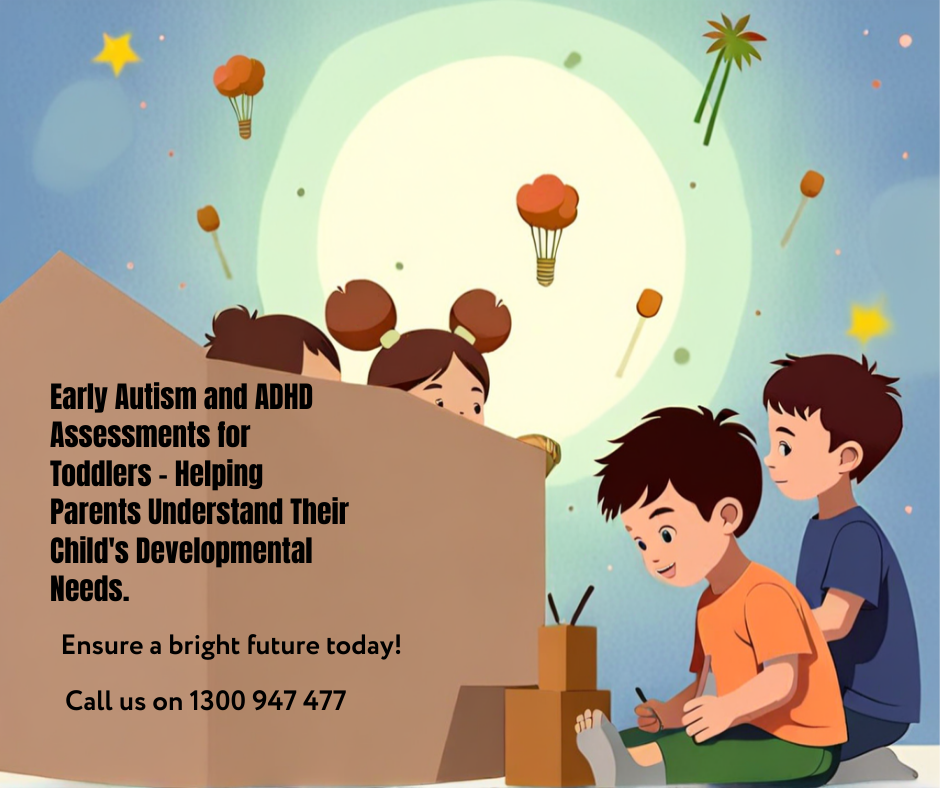
If you have ongoing concerns about child ADHD or child autism, a qualified professional can discuss your observations and help you consider whether an assessment or therapeutic support may be useful. You can explore Inspire Health and Medical’s ADHD assessment services and autism assessment services.
RESPOND TO BIG FEELINGS WITH CALM AND CONNECTION
When your child is upset, reasoning may not work straight away. First, help them feel safe and regulated.
You can:
- Lower your voice.
- Use fewer words.
- Give physical space when needed.
- Name the feeling without judgement.
- Offer two simple choices.
- Move to a quieter space.
- Wait until your child is calmer before discussing consequences.
Try phrases such as:
- “You are having a really hard moment.”
- “I am here. We can work this out.”
- “The noise feels too much right now.”
- “Would you like quiet time or a walk with me?”
- “We can talk about what happened when your body feels calmer.”
Avoid shaming, threatening or publicly criticising your child. These responses can increase distress and make it harder for them to learn new skills.
After the situation has settled, reconnect. Keep the conversation brief. Focus on what your child can try next time.
SET REALISTIC SCREEN AND SLEEP BOUNDARIES
Screens can be helpful during holidays. They can also make transitions harder when use is unplanned or continues late into the evening.
Consider:
- Agreeing on screen times before the day begins.
- Using a timer or visual reminder.
- Keeping devices away during meals.
- Avoiding screens immediately before bed.
- Offering an alternative activity before asking your child to stop.
- Keeping devices out of bedrooms overnight where possible.
Try not to make screens the only way your child rests. Balance them with movement, creative play, connection and quiet activities.
Sleep also matters. Keep bedtime and wake-up times reasonably consistent. A tired child may appear more irritable, impulsive or emotional.
For practical information about supporting ADHD-related behaviour at home, see the Royal Children’s Hospital Melbourne guide to helping children with ADHD.
LOOK AFTER YOUR OWN MENTAL HEALTH
School holidays can be demanding for parents and carers. You may be managing work, meals, housework, sibling needs and emotional support at the same time.
Small changes can help:
- Share supervision with another trusted adult.
- Plan one low-demand day after a busy outing.
- Lower expectations around housework.
- Take short breaks when it is safe to do so.
- Stay connected with supportive family or friends.
- Ask for practical help before you reach burnout.
Your child does not need a perfect holiday. They need a safe, responsive adult who can repair after difficult moments.
WHEN CAN CHILD THERAPY HELP?
You may wish to speak with a professional if your child’s behaviour or mood:
- Continues for several weeks.
- Affects sleep, eating, school or friendships.
- Leads to frequent distress at home.
- Includes intense anxiety, withdrawal or tearfulness.
- Creates safety concerns.
- Feels difficult for your family to manage.
- Causes your child to ask for help.
Child therapy can look different depending on your child’s age, communication style and goals. Sessions may involve play, drawing, conversation, emotional education, parent guidance or family work.
A psychologist or counsellor can help your family understand patterns and develop practical strategies. Support is tailored to your child’s individual needs. It is not about forcing a child to behave in a particular way or changing who they are.
ACCESSING MENTAL HEALTH SERVICES CLYDE NORTH FAMILIES CAN USE
Families looking for mental health services Clyde North can access support through Inspire Health and Medical’s broader network of convenient locations across Croydon, Mitcham and Lilydale. Online booking is also available, which can make it easier to begin around school, work and family commitments.
Our services include psychology, counselling, child and adolescent support, family therapy, ADHD assessments and autism assessments. Sessions are private, supportive and tailored to your concerns.
No referral is needed to book an appointment. Sessions are self-directed. If you would like to discuss the best service for your child, you can book online, contact the team or call 1300 947 477.

A SUPPORTIVE NEXT STEP
You do not need to wait until the school holidays become overwhelming before asking for help. You can reach out when you first notice that your child or family is struggling.
Whether you need practical parenting strategies, child therapy, an assessment or a conversation about child ADHD or child autism, your concerns matter. Inspire Health and Medical is here to provide calm, professional and non-judgemental support.
There is no pressure to have all the answers before you begin. Learn more about our mental health services Clyde North families can access, or book a consultation online when you feel ready.
If your child is in immediate danger or at risk of harm, call Triple Zero (000). You can also view our emergency support information.